Build, Sell & Grow Your Business Online
Selling online requires more than simply creating a website and uploading products.
A successful e-commerce business needs the right store structure, professional product presentation, smooth customer experience, secure checkout, marketing, search visibility and a clear strategy for generating sales.
That is where professional e-commerce solutions become important.
At ECI Max Digital, we help businesses build complete digital selling systems rather than standalone online stores. From e-commerce website development and Shopify setup to marketplace integration, SEO, digital marketing and ongoing optimization, our goal is to help businesses create stronger online sales channels and long-term growth opportunities.
What Are E-commerce Solutions?
E-commerce solutions include the technologies, services and strategies required to sell products or services online.
Depending on the business, an e-commerce solution may include:
E-commerce website development
Shopify development
Online store setup
Product and category structure
Payment gateway integration
Shopping cart and checkout
Mobile-responsive design
Amazon integration
eBay integration
Etsy integration
E-commerce SEO
Product-page optimization
Digital marketing
Paid advertising
Conversion tracking
Retargeting
E-commerce maintenance
The right solution depends on your products, customers, target markets, budget and long-term business goals.
Why E-commerce Matters for Modern Businesses
Customer buying behavior has changed significantly.
People increasingly research and purchase products through:
Business websites
Shopify stores
Amazon
eBay
Etsy
Social media
Google Search
Paid advertisements
Mobile devices
This means businesses are no longer limited to one physical location or one selling channel.
A professional e-commerce setup can help businesses:
Reach more customers
Sell beyond local markets
Operate around the clock
Build a stronger brand
Track customer behavior
Expand into new digital marketplaces
Improve customer convenience
Create scalable sales systems
More Than Just an Online Store
One of the biggest mistakes businesses make is assuming that launching an online store automatically creates sales.
A store is only the foundation.
To generate meaningful business opportunities, customers must first:
Discover Your Business
Then:
Understand Your Products
Then:
Trust Your Brand
Then:
Complete the Purchase
That journey requires multiple elements working together.
A complete e-commerce system can connect:
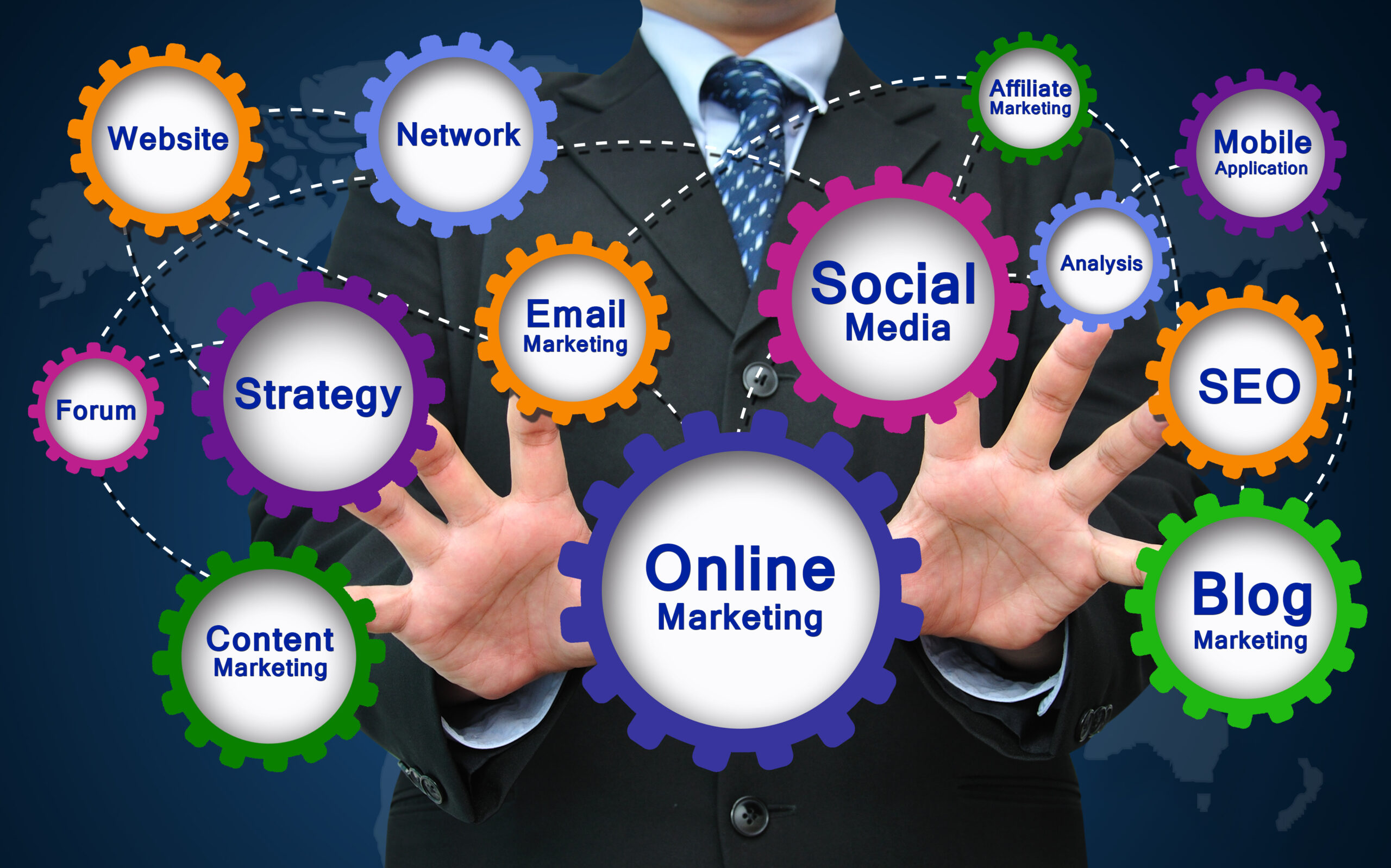
Store → SEO → Advertising → Social Media → Product Pages → Checkout → Retargeting → Growth
This is why e-commerce development should be approached as a business system rather than simply a website project.
E-commerce Website Development
Build a Professional Digital Storefront
Your e-commerce website is often the central platform for your online business.
A professional store should make it easy for customers to:
Discover products
Browse categories
Understand product details
Compare options
Add products to cart
Complete checkout
Contact your business
Find delivery and return information
A professional e-commerce website should also reflect your brand and create customer confidence.
Important elements can include:
Clear navigation
Product categories
Professional product pages
Mobile-responsive design
Secure checkout
Payment integration
Search functionality
Customer support options
WhatsApp integration
Shipping information
Shopify Development
Build and Grow Your Shopify Store
Shopify is one of the most widely used platforms for building online stores.
Professional Shopify development can help businesses create a cleaner, more structured and easier-to-manage e-commerce presence.
Shopify services may include:
Store setup
Theme configuration
Product setup
Collection organization
Navigation
Checkout configuration
Essential app integrations
Mobile optimization
Payment setup
Store customization
The goal should not simply be to install a theme.
The store should be organized around the customer journey and business requirements.
Online Store Setup
Starting an online store requires several decisions.
Before development begins, businesses should consider:
What products will be sold?
Who is the target customer?
How will products be categorized?
What payment options will be offered?
Where will products be delivered?
What shipping model will be used?
How will customers contact the business?
Which marketing channels will be used?
A professional online store setup helps bring these pieces together into one structured system.
Product and Category Structure
Product organization plays an important role in e-commerce usability.
Customers should be able to quickly find what they are looking for.
A clear structure may include:
Main Category
→ Subcategory
→ Product
→ Product Variation
For example:
Men’s Clothing
→ Shirts
→ Formal Shirts
→ Blue Cotton Shirt
Poor organization can make even a visually attractive store difficult to use.
Product Page Optimization
A product page should answer the questions a customer needs before buying.
Important elements can include:
Product name
High-quality images
Clear description
Key benefits
Price
Variations
Availability
Delivery information
Return information
Reviews
Strong Add to Cart button
Product pages should be designed for both customers and search visibility.
Mobile E-commerce
Mobile shopping has become extremely important.
Customers may discover a product on social media and immediately visit the store from their phone.
That means an e-commerce website should provide a smooth mobile experience.
Important mobile considerations include:
Fast loading
Clear buttons
Easy navigation
Readable product information
Mobile-friendly checkout
Simple forms
Responsive images
A poor mobile experience can cause potential customers to leave before completing a purchase.
Amazon Integration
Expand Beyond Your Own Website
Selling through Amazon can help businesses access a larger marketplace audience.
Depending on the business and technical requirements, an e-commerce strategy may include Amazon integration.
This can support a broader multi-channel selling approach.
However, Amazon accounts, product eligibility, fees and marketplace requirements are controlled by Amazon and must be followed separately.
eBay Integration
eBay can provide another digital sales channel for suitable products and businesses.
Integration with a wider e-commerce system may help businesses manage multiple digital selling opportunities.
A multi-channel strategy can reduce dependence on a single sales platform.
Etsy Integration
Etsy can be particularly useful for suitable product categories such as:
Handmade products
Creative products
Personalized items
Craft products
Selected fashion and lifestyle products
For suitable businesses, Etsy can become part of a wider e-commerce selling strategy.
Multi-Channel E-commerce
Sell Where Your Customers Already Shop
Businesses do not always need to depend on one platform.
A multi-channel e-commerce strategy may combine:
Your Website
Shopify
Amazon
eBay
Etsy
Social Media
Each channel can serve a different role.
Your own website provides more control over branding and customer experience, while marketplaces can provide access to existing audiences.
The right mix depends on your business.
E-commerce SEO
Help Customers Discover Your Products
Creating an online store is not enough if customers cannot find it.
E-commerce SEO helps improve the structure and visibility of your website in search engines.
E-commerce SEO may include:
Keyword research
Product-page optimization
Category-page optimization
Search-friendly URLs
Product titles
Meta information
Internal linking
Image optimization
Technical SEO
Schema markup
Content marketing
Site structure optimization
SEO does not guarantee specific rankings or sales, but it can create a stronger foundation for long-term organic visibility.
Category Page SEO
Category pages can become valuable search landing pages.
Instead of simply displaying products, well-structured category pages can help search engines and customers understand:
What products are available
Who they are for
What makes them different
Related categories
Relevant buying information
Category optimization can improve both user experience and search visibility.
E-commerce Content Marketing
Content can support customers throughout the buying journey.
Useful e-commerce content may include:
Product guides
Buying guides
Comparison articles
FAQs
How-to content
Blog posts
Product education
Category content
Video content
For example, a hair-care brand could publish:
How to Choose the Right Hair Oil
Best Ingredients for Dry Hair
How Often Should You Use Hair Oil?
Hair Oil for Different Hair Types
This can attract customers before they are ready to purchase.
Google Ads for E-commerce
Paid advertising can help businesses generate faster product visibility.
Google Ads can place products or stores in front of users actively searching for relevant products.
Depending on the business, campaigns may include:
Search campaigns
Shopping-related campaigns where available
Brand campaigns
Retargeting
Product-focused landing pages
Advertising performance depends on competition, pricing, demand, product quality, website experience and campaign execution.
Meta Ads for E-commerce
Facebook and Instagram advertising can be highly relevant for visual and consumer-focused products.
Meta Ads can help businesses:
Introduce products
Reach new audiences
Retarget website visitors
Promote offers
Generate store traffic
Support online sales campaigns
Strong creatives, product presentation and targeting are important parts of e-commerce advertising.
Social Media and E-commerce
Social media can help create awareness before customers visit your store.
Content may include:
Product showcases
Demonstrations
Reels
Customer reviews
Offers
Educational content
Behind-the-scenes content
New product announcements
The goal is to connect social media activity with the wider customer journey.
For example:
Instagram Reel → Product Page → Purchase
or
Facebook Ad → Landing Page → Checkout
Retargeting
Most customers do not buy during their first interaction with a business.
Retargeting helps businesses reconnect with users who have:
Visited the website
Viewed products
Added items to cart
Interacted with advertisements
Engaged with social media
This can keep products visible while customers continue considering their purchase.
Conversion Optimization
Turn More Visitors Into Customers
Traffic is important, but traffic without conversion has limited business value.
Conversion optimization focuses on reducing barriers in the customer journey.
Improvements may involve:
Product-page layout
Calls to action
Checkout process
Shipping information
Product trust signals
Reviews
Mobile usability
Page speed
Payment options
Navigation
Product images
Small improvements across the customer journey can create meaningful differences in performance.
Abandoned Carts
Customers sometimes add products to their cart but leave before completing the purchase.
Common reasons may include:
Unexpected shipping charges
Complicated checkout
Limited payment options
Slow website
Lack of trust
Customer distraction
Price comparison
Businesses can reduce cart abandonment by improving the checkout experience and using follow-up or retargeting strategies where appropriate.
E-commerce Analytics
Understand What Customers Are Doing
Data can help businesses understand the customer journey.
Useful e-commerce metrics may include:
Website visitors
Product views
Add-to-cart activity
Checkout activity
Purchases
Conversion rate
Traffic source
Advertising conversions
Popular products
Tracking helps businesses identify what is working and what may need improvement.
E-commerce Maintenance
Online stores constantly change.
Businesses may add:
New products
New categories
Promotions
Seasonal campaigns
New payment methods
New shipping options
Website content
Ongoing maintenance can help keep the store accurate and functional.
Services may include:
Product updates
Content updates
Technical maintenance
Website backups
Performance optimization
Troubleshooting
Store improvements
Our E-commerce Approach
At ECI Max Digital, our approach goes beyond store development.
Step 1 — Understand the Business
We learn about:
Products
Customers
Target markets
Competitors
Pricing
Selling channels
Growth goals
Step 2 — Build the Store
We create the right digital selling foundation based on business needs.
Step 3 — Connect Sales Channels
Where appropriate, the business can be expanded into:
Shopify
Amazon
eBay
Etsy
Other relevant platforms
Step 4 — Generate Visibility
The store can then be supported with:
SEO
Google Ads
Meta Ads
Social media
Content marketing
Step 5 — Track & Optimize
We review performance and identify opportunities to improve the customer journey and conversion potential.
Step 6 — Grow
The system can continue expanding as products, customers and markets grow.
We Do More Than Build E-commerce Websites
Many businesses do not actually want “an e-commerce website.”
What they really want is:
More customers
More product visibility
More sales opportunities
Stronger branding
Easier online selling
New digital sales channels
Better marketing performance
That is why ECI Max Digital combines e-commerce development with wider business growth capabilities.
These can include:
Website Development
Shopify Development
Marketplace Integration
E-commerce SEO
Digital Marketing
Google Ads
Meta Ads
Social Media Marketing
Content Marketing
Lead Generation
Conversion Optimization
AI & Automation Solutions
Our goal is to help businesses build an e-commerce system that supports selling, marketing and long-term digital growth.
E-commerce and AI
Artificial intelligence is creating new opportunities for online businesses.
Depending on the business, AI can support areas such as:
Content assistance
Product descriptions
Marketing research
Customer support workflows
Data analysis
Marketing automation
Competitor research
AI should be used where it creates practical value rather than simply because it is new.
Choosing the Right E-commerce Platform
There is no single platform that is best for every business.
The right choice depends on:
Product range
Business size
Budget
Technical needs
Selling locations
Marketplace requirements
Management preferences
Growth plans
Before choosing a platform, businesses should consider both current requirements and future growth.
Frequently Asked Questions About E-commerce Solutions
What is an e-commerce solution?
An e-commerce solution combines the website, technology, payment journey, product setup and other systems required to sell products or services online.
Can you build a Shopify store?
Yes. Shopify development and integration are part of our e-commerce services.
Can you connect my store with Amazon, eBay or Etsy?
Yes, where technically applicable. Integrations are subject to the policies, account eligibility and requirements of each marketplace.
Do you provide e-commerce SEO?
Yes. E-commerce SEO can include product optimization, category pages, website structure, keyword research, internal linking and other search-focused improvements.
Can you help market my online store?
Yes. E-commerce development can be combined with Google Ads, Meta Ads, social media, SEO, content and retargeting strategies.
Can you guarantee online sales?
No.
No professional provider can responsibly guarantee specific sales volumes. Sales depend on factors including product demand, pricing, competition, advertising budget, customer experience, product quality and market conditions.
Our focus is on creating and optimizing systems designed to improve visibility, customer acquisition and conversion opportunities.
Can you improve my existing e-commerce store?
Yes. Existing stores can be reviewed for design, usability, SEO, product presentation and conversion opportunities.
Do you provide ongoing maintenance?
Yes. E-commerce maintenance and optimization can be provided depending on the project requirements.